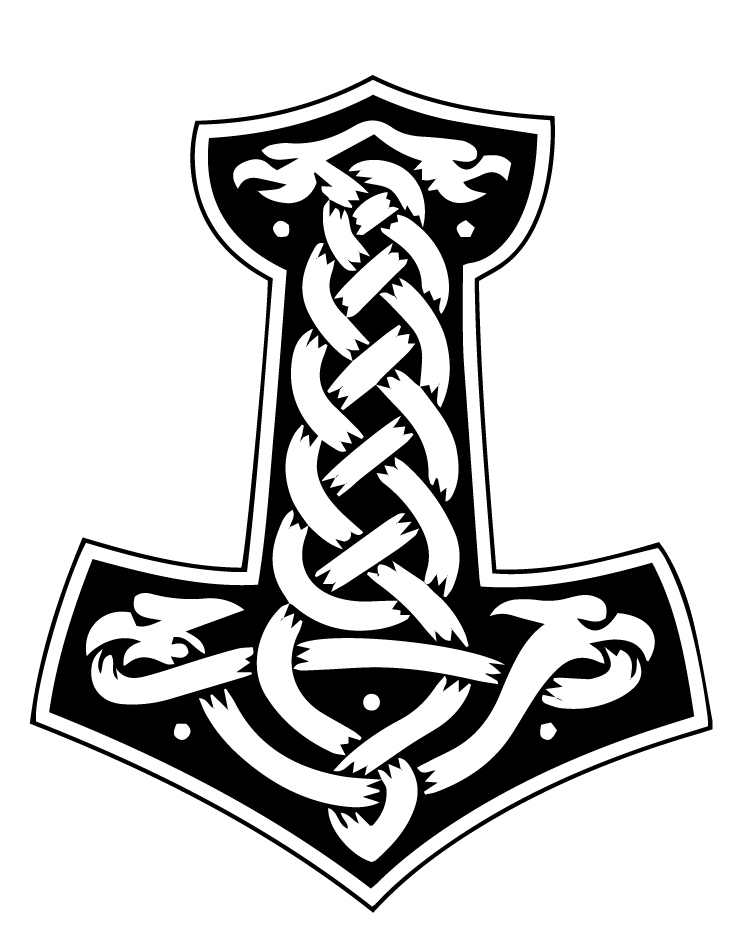
In the rich tapestry of Norse mythology, one of the most iconic symbols is Mjolnir, the mighty hammer wielded by Thor, the god of thunder. This legendary weapon is not only a tool of destruction but also a symbol of protection and blessing. It represents the courage and strength of the Norse gods, and its imagery resonates deeply with those who admire the ancient myths of the Viking era. Below, we delve into the narrative of Mjolnir along with a captivating image that captures its essence.
Mjolnir: The Hammer of Thor
The hammer Mjolnir is famous for its devastating power in battle, but it also serves other significant purposes within Norse mythos. It is often depicted as an instrument that bestows fertility to the earth, ensuring fruitful harvests. This duality illustrates the balance of destruction and creation within the mythology. Mjolnir’s design showcases intricate details that represent its divine craftsmanship, highlighting the connection between the gods and mankind.
 Ingredients in the Lore
While Mjolnir stands as a powerful artifact within the Norse legends, we can think of it metaphorically as having its own set of ‘ingredients’ that contribute to the richness of the narrative. Below are the essential elements that make the story around Mjolnir so compelling:
- Thor - The god of thunder, known for his strength and bravery.
- Odin - The Allfather who grants wisdom and guidance.
- Freyja - The goddess associated with love, beauty, and fertility.
- The Giants - Representing chaos and challenges to the gods.
- The Dwarves - Master craftsmen who forged Mjolnir with incredible skill.
Instructions to Remember Mjolnir
Understanding Mjolnir’s significance can enrich our appreciation of Norse mythology. Here are some guiding instructions to fully embrace the lore:
- Read the Eddas - Engage with the primary sources of Norse mythology to find tales featuring Mjolnir.
- Reflect on the Symbolism - Consider the duality of Mjolnir as both a weapon and a provider of blessings.
- Incorporate in Art - Use Mjolnir’s imagery in creative works, celebrating its cultural significance.
- Share Stories - Discuss the myths surrounding Mjolnir within your community to keep the tales alive.
- Attend Festivals - Participate in gatherings that honor Norse mythology to deepen your understanding.
In conclusion, Mjolnir is much more than a mere weapon; it is a profound cultural emblem rooted in ancient Norse traditions. By exploring its narratives, we enhance our connection to the past and the timeless stories that continue to inspire us today.
source: ar.inspiredpencil.com
